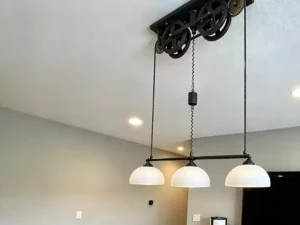
Architects, electrical contractors, and homeowners often ask a simple question during construction: should we install a manual chandelier pulley system, or should we invest in a motorized chandelier winch system?
At first glance, a manual rope or hand-crank pulley looks like a budget-friendly choice. However, hanging a heavy lighting fixture 20 feet above the floor involves serious mechanical and electrical risks.
Before you buy hardware for your ceiling, you must understand how manual pulleys and electric hoists handle weight, live power wires, and long-term safety. This guide compares both systems across four critical engineering factors.
1. How Each System Works
Both systems lower overhead light fixtures for cleaning and bulb replacement, but they use completely different mechanical designs.
Manual Chandelier Pulley System
A traditional chandelier pulley system uses a ceiling-mounted wheel, a suspension rope or thin cable, and a wall cleat or manual hand crank. To lower the light, an operator climbs into the attic or opens a wall box and turns a crank handle by hand. At the same time, the operator must manually feed an extra loop of live electrical power cord through the ceiling hole as the fixture drops.
Motorized Chandelier Hoist (Electric Winch System)
An electric chandelier hoist uses a pure copper motor, a steel cable drum, and an automated electrical contact plate. The homeowner or facility manager simply presses a button on a remote control or wall switch. The system disconnects the electrical power automatically, unlocks the ceiling latch, and lowers the chandelier smoothly to the floor.
2. Head-to-Head Comparison: Electric Hoist vs. Manual Pulley
Use this engineering comparison table to evaluate which system fits your residential or commercial project:
| Comparison Factor | Motorized Chandelier Winch System (AMZHO) | Manual Chandelier Pulley System |
| Safe Load Capacity | 110 lbs to 2,200 lbs (50 kg to 1000 kg) | Under 35 lbs (15 kg) |
| Operation Method | Wireless remote control or wall switch (1 person) | Manual hand crank or rope pulling (Requires 2 people) |
| Electrical Safety | Automatic power-disconnect contact plate (Zero live slack wire) | Requires a long, live electrical cord loop in the attic |
| Ceiling Load Support | Mechanical ceiling lock holds the weight when raised | The cable and hand crank hold 100% of the tension 24/7 |
| Fallback Braking | Dual steel cables + self-locking worm gear motor brake | Manual ratchet pawl (Risk of free-fall if the hand slips) |
| Best Application | Crystal chandeliers, two-story foyers, hotels, churches | Lightweight pendant lamps, farmhouse barn lights, studio props |
Looking for exact motor power and load ratings? Check our complete electric chandelier hoist and motorized winch specifications for models ranging from 50kg to 1000kg.
3. Why Manual Pulley Systems Fail on Modern Chandeliers
A manual chandelier pulley system works fine for a 15-pound rustic lantern in a cabin. However, manual pulleys create three major hazards when you attach them to modern crystal chandeliers or multi-tier foyer lights.
Problem A: The “Live Slack Wire” Hazard
A chandelier needs electricity to light up. When you lower a fixture by 15 feet on a manual pulley, the electrical wire must also travel 15 feet down.
Manual systems require you to store a 20-foot coil of slack electrical cable inside the ceiling. When you pull the chandelier back up, that live electrical cord often tangles with the steel pulley rope. Friction can strip the wire insulation and cause a short circuit or attic fire.
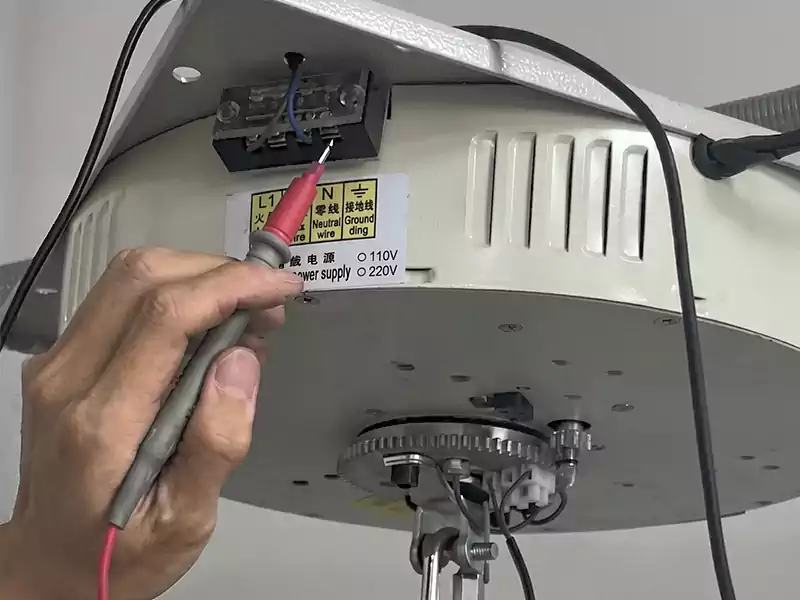
An AMZHO chandelier winch system eliminates slack power cords completely. The main electrical wiring stays fixed inside the ceiling. Two copper contact plates touch to complete the circuit only when the chandelier locks into the ceiling. The fixture lowers without any live power cord attached.
Problem B: Constant Cable Tension and Metal Fatigue
In a manual pulley setup, the thin wire rope supports the full weight of your chandelier 24 hours a day, 365 days a year. Constant gravity stretches the cable over time and wears down the pulley bearings.
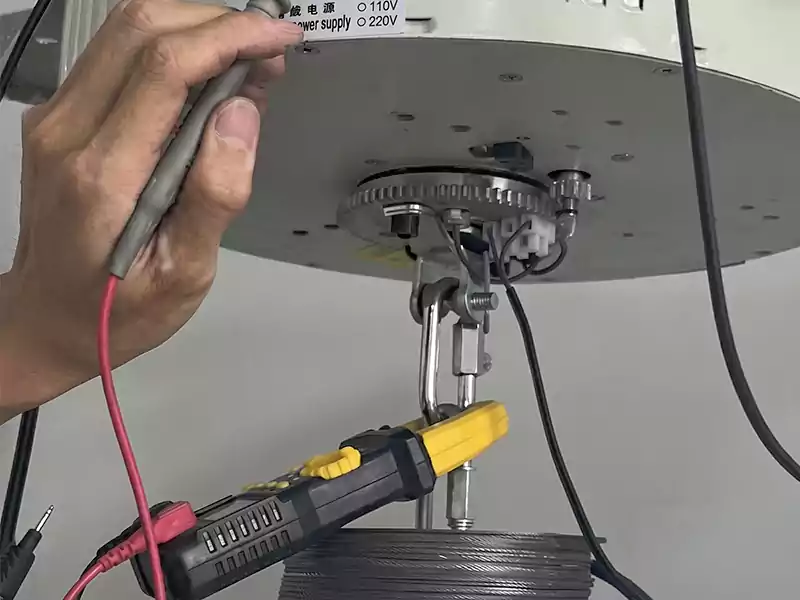
By contrast, an AMZHO electric chandelier hoist uses a non-steel wire load-bearing structure. Once the motor lifts the chandelier to the ceiling, rigid mechanical jaws lock onto the fixture. The steel cable rests with zero tension until your next cleaning day.
Problem C: Human Error During Hand Cranking
Lowering a 150-pound crystal chandelier by hand takes tremendous physical effort. One person must stand in a hot attic turning a heavy crank, while a second person stands on the first floor shouting directions. If the operator loses grip on the crank handle or misses the ratchet lock, the chandelier can drop and shatter on the floor.
4. Long-Term Cost Comparison: Which Saves More Money?
Some buyers choose a manual chandelier pulley system to save $200 on initial hardware. In reality, manual systems cost much more over a five-year period.
- Installation Labor Costs: Electricians charge extra hours to install manual pulleys because they must route guide tubes, mount wall winches, and manage coiled electrical cords. A self-contained motorized hoist mounts directly to ceiling beams or concrete slabs in one compact unit.
- Maintenance Labor Costs: Because cranking a manual winch in the attic is difficult, homeowners and hotel managers avoid doing it. They end up hiring cleaning crews with tall ladders anyway—paying $300 to $800 per visit. With a remote-controlled chandelier winch system, one housekeeper or homeowner can lower, dust, and raise the chandelier in 10 minutes for free.
- Fixture Protection: A modern crystal chandelier easily costs $2,000 to $20,000+. Protecting that investment with an overload-protected, CE-certified electric hoist prevents costly accidents.
Conclusion: When to Choose Each System
Choose a Manual Pulley System ONLY IF:
Your light fixture weighs less than 30 lbs (14 kg), uses a simple plug-in swag cord, and hangs in a workshop, barn, or casual space.
Choose a Motorized Chandelier Hoist IF:
Your chandelier weighs over 35 lbs, hangs in a high-ceiling foyer or commercial lobby, requires hardwired ceiling power, and demands 100% anti-fall safety.
Ready to equip your project with a safe, one-button lowering solution? Browse our CE and ISO-certified motorized chandelier winch systems and electric chandelier hoists to watch real load-test videos and get a custom quote for your ceiling today.