
The contemporary logistics and supply chain management sector is characterized by fierce competition, where any disruption in operations can have a substantial impact on a company’s bottom line. When a warehouse experiences a lapse in productivity, it can lead to a ripple effect of consequences, including late deliveries, dissatisfied customers, and increased staffing expenses. Although some maintenance is unavoidable to ensure the safe and efficient operation of a facility, relying solely on a reactive maintenance strategy is no longer a viable option in today’s fast-paced environment.
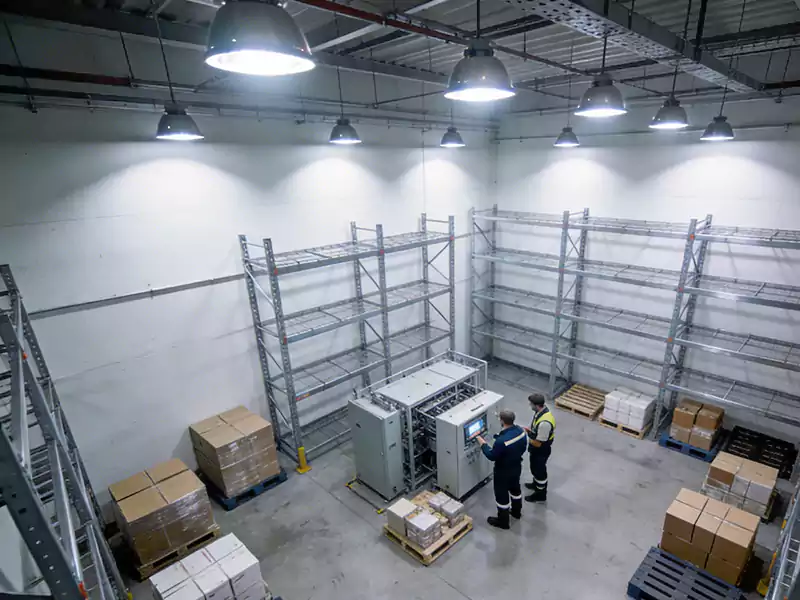
Minimizing operational downtime requires a strategic shift from reactive repairs to proactive, streamlined maintenance protocols. By implementing advanced planning, leveraging new technologies, and rethinking how routine tasks like high-bay lighting maintenance are performed, facility managers can drastically reduce interruptions and protect their bottom line.
This detailed resource outlines effective methods and cutting-edge technologies to reduce disruptions and optimize efficiency during warehouse upkeep, providing practical tips to help streamline maintenance operations.
The Hidden Costs of Unplanned Maintenance
To understand the urgency of minimizing downtime, it is crucial to recognize that the cost of an unexpected equipment failure extends far beyond the price of the replacement parts or the mechanic’s hourly rate. Unplanned maintenance triggers a domino effect of financial and operational consequences:
- Labor Inefficiencies: When a critical conveyor belt or forklift breaks down, the employees dependent on that equipment are left idle, yet still on the clock.
- Throughput Bottlenecks: A localized shutdown can back up the entire fulfillment process, causing missed shipping cut-offs and expedited freight penalties.
- Safety Hazards: Rushed, reactive repairs often bypass standard safety protocols, increasing the risk of workplace accidents and subsequent workers’ compensation claims.
- Customer Dissatisfaction: In an era of guaranteed two-day or even same-day shipping, failure to meet delivery windows due to facility downtime directly harms brand reputation.
Addressing these hidden costs requires a comprehensive preventive maintenance strategy that anticipates wear and tear before it results in a system failure.
Transitioning to a Preventive Maintenance Strategy
The cornerstone of uninterrupted warehouse operation is a robust Preventive Maintenance (PM) schedule. Instead of waiting for a motor to burn out or a light fixture to fail, a PM strategy relies on routine inspections, scheduled servicing, and data-driven parts replacement.
Condition-Based Monitoring
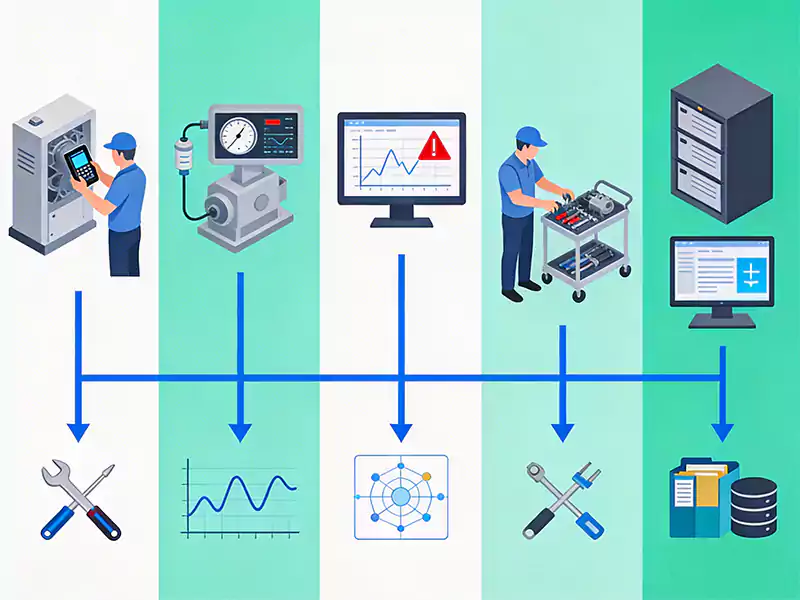
Moving beyond routine maintenance schedules, a more proactive approach involves using Internet of Things (IoT) technology to continuously monitor the condition of essential equipment. This involves installing sensors that can identify unusual patterns, such as unusual motor vibrations, sudden increases in electrical panel temperature, or decreases in hydraulic pressure. By providing early warnings of potential issues, maintenance teams can address problems during periods of low activity, thereby avoiding major breakdowns that could occur during busy periods and maximizing overall system uptime.
Implementing a CMMS
Implementing a successful preventive maintenance approach relies on leveraging a Computerized Maintenance Management System (CMMS) within a facility. By consolidating maintenance information into a single platform, this technology enables the automation of work orders according to predetermined schedules or performance benchmarks, such as the operational hours of a forklift. The CMMS eliminates uncertainty in maintenance planning, guaranteeing consistent execution of tasks and timely procurement of replacement parts to prevent last-minute shortages.
Optimizing High-Bay Lighting Maintenance
One of the most disruptive, yet frequently overlooked, maintenance tasks in a warehouse is servicing high-bay lighting. In facilities with ceilings reaching thirty to fifty feet, simply changing a burnt-out LED driver or cleaning a fixture can bring entire aisles to a standstill.
The Bottleneck of Traditional Lifting Equipment
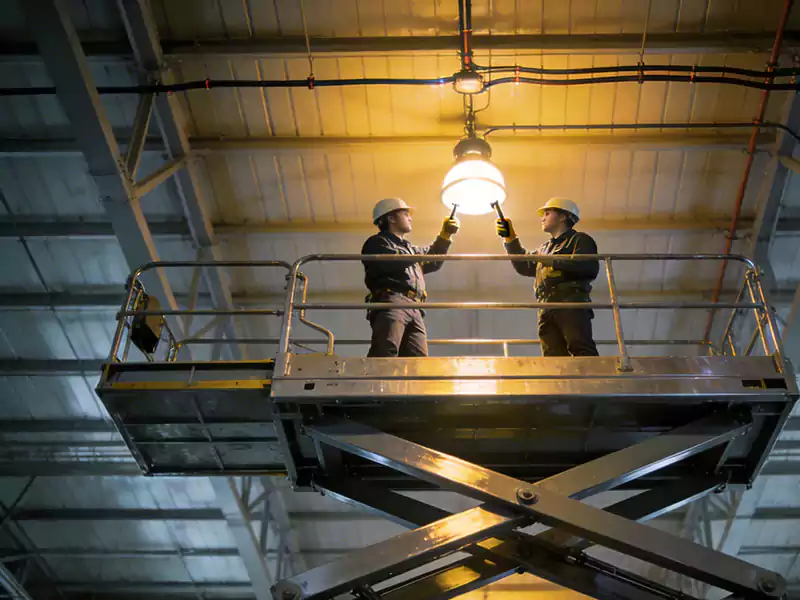
Traditionally, accessing high-bay lighting requires the deployment of a scissor lift or an articulated boom lift. This process is inherently disruptive to warehouse throughput.
Aisle Clearance: Forklifts and order pickers must be rerouted, and inventory aisles must be entirely cleared to allow the heavy lift equipment to safely maneuver.
Safety Personnel: OSHA regulations and facility safety standards often require multiple personnel to manage a lift operation, including the operator in the basket and a spotter on the ground.
Equipment Rental: If a facility does not own a lift, the maintenance team must coordinate rentals, adding logistical delays and external costs to a relatively simple task.
The Lighting Lifter Advantage
To genuinely minimize downtime, forward-thinking facility managers are engineering the hazard and the hassle out of the equation by installing motorized lighting lifters. Systems engineered by specialists like อัมโช allow high-bay fixtures to be safely lowered directly to the facility floor via a remote-controlled, heavy-duty mechanized cable system.
Integrating lighting lifters into a facility completely transforms the maintenance workflow. A task that once required hours of preparation, heavy machinery, and aisle closures can now be completed by a single maintenance worker standing safely on the ground. The fixture is lowered, the maintenance is performed at an ergonomic height, and the light is hoisted back into place within minutes. Production lines and forklift traffic can continue moving in adjacent areas without the safety risks associated with overhead work. This modernization eliminates rental costs, reduces labor requirements, and guarantees that lighting maintenance never dictates the warehouse production schedule.

Strategic Scheduling and Zoning
Even with the best predictive tools and modern equipment, some maintenance tasks will require partial shutdowns. The goal is to isolate and minimize the impact of these events through strategic scheduling.
Off-Peak and Micro-Maintenance
Maintenance tasks should be planned strategically when the activity is planned. In a facility operating around the clock, this could involve pinpointing times of shift changes or days with historically low levels. Additionally, implementingmicro-maintenance strategy by manageable weekly tasks can help avoid the necessity for prolonged shutdowns across the entire facility.
Zone-Based Maintenance
To efficiently manage systems such as racking infrastructure or HVAC, consider using zone-based maintenance on one area or aisles at a time for maintenance work, and redirect routes to other zones as needed. This strategy helps to minimize disruptions by allowing the facility to remain functional and shipments to keep moving out from the dock, even if it is briefly reduced.
Empowering Floor Staff as the First Line of Defense
While dedicated maintenance technicians perform the heavy lifting, the warehouse floor staff are the eyes and ears of the operation. Empowering operators to conduct basic, daily equipment checks significantly reduces the likelihood of major breakdowns.
Implementing standardized daily checklists for forklift operators to inspect hydraulic lines, tire wear, and battery health ensures that minor issues are caught before a shift begins. Cultivating a culture where employees are encouraged and rewarded for reporting unusual noises, vibrations, or sluggish equipment performance turns the entire workforce into an extension of the preventive maintenance team.
All in all, minimizing operational downtime in a high-volume warehouse is not an accident; it is the result of deliberate, strategic planning and the willingness to invest in modern solutions. By moving away from reactive repair models, adopting intelligent CMMS tracking, and eliminating the extreme disruptions of traditional high-bay maintenance through the use of permanent lighting lifters, supply chain managers can reclaim lost hours. A well-maintained warehouse operates with greater safety, higher employee morale, and ultimately, a stronger competitive edge in the fast-paced logistics market.